About Prerana

About Prerana

Support Group for Participatory Development. Empowering marginalized communities across Nepal since our inception.

About Prerana

Working towards a just and socially inclusive society.

Prerana is a non-profit, non-political Non-Government Organization established in 1998. We work nationwide to make rehabilitation, development, and essential services more accessible and inclusive.

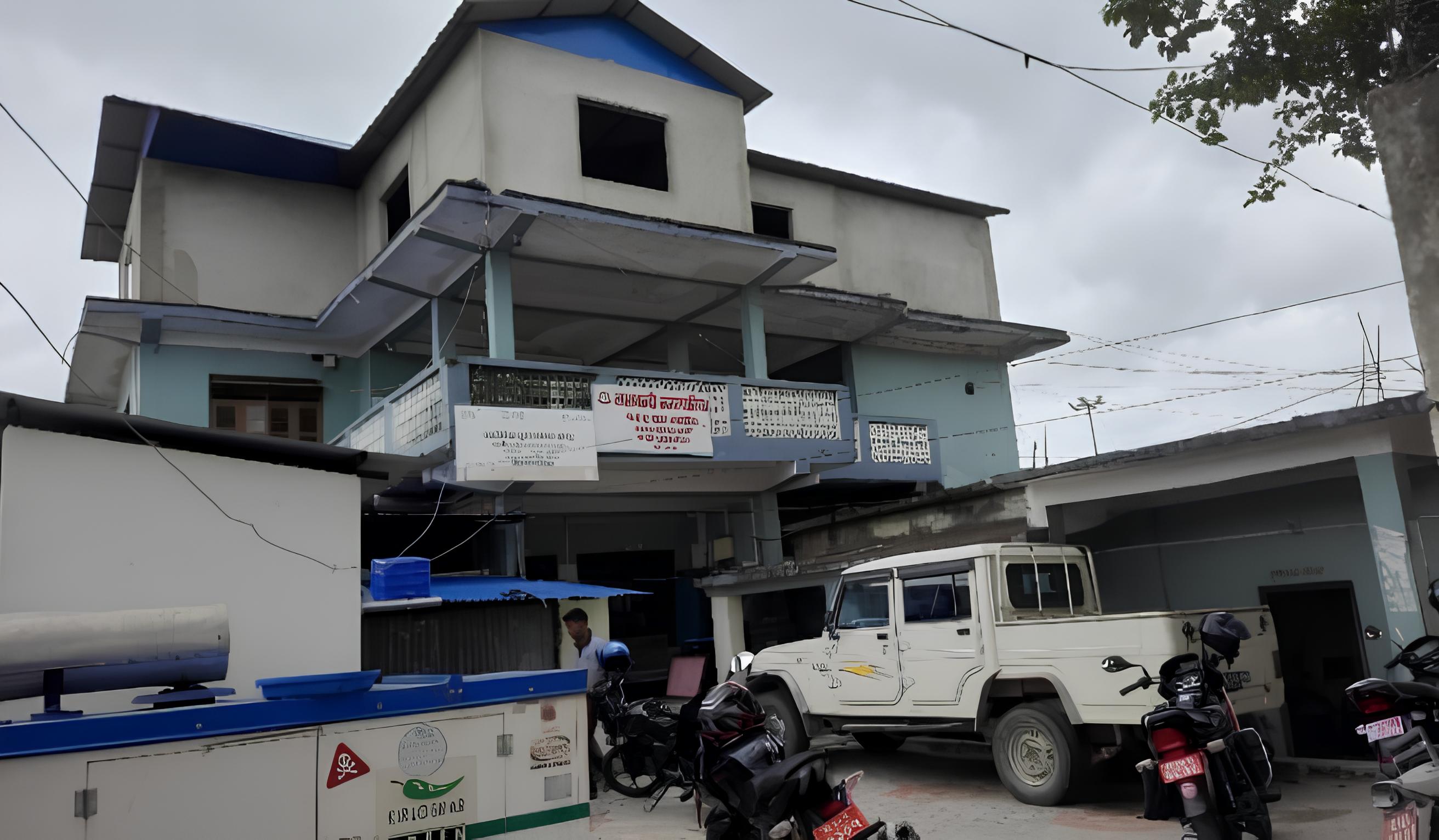
Prerana entrance

Organization at a glance

A foundation for accountable, inclusive service.

Registration & affiliations

Prerana is registered under the Social Registration Act, 2034 (BS) with the District Administration Office, Lalitpur (Registration No. 972). We are affiliated with the Social Welfare Council (SWC) under Affiliation No. 9353, as well as the CBR National Network, NGO Federation, and NASPIR. Our PAN number is 500146950.

Nationwide reach, local presence

Authorized to operate nationwide, Prerana maintains a strong presence in Madhesh Province through branch offices in Sarlahi and Rautahat. Our accessible building in Malangawa and physical rehabilitation center in Lalbandi, Sarlahi demonstrate our commitment to inclusive service delivery.

Licensed rehabilitation services

The Prerana Rehabilitation Centre is licensed by Lalbandi Municipality under the Public Health Service Act, 2075, and the Public Health Service Directives, 2077 (License No. 2-2080/2081). We provide physiotherapy, assistive devices—including prosthetics and orthotics (P&O), mobility aids, and developmental aids—and tele-rehabilitation services across Madhesh Province.

NASPIR leadership

Prerana is a founding member of the National Association of Service Providers in Rehabilitation (NASPIR), a non-profit, non-political umbrella organization established in 2010 that unites 21 decentralized rehabilitation service providers across Nepal. Prerana continues to host and manage NASPIR's secretariat office, projects, and programs.

Prerana in numbers

A growing force for change

People, places, and priorities working together to build a more just and inclusive Nepal.

36

General Members

20 women · 16 men

22

Total Staff

02

Field Offices

05

Focus Areas

Where We Focus

Our Strategic Priorities

Five connected areas of action guide our work toward sustainable impact across the Terai region and beyond.

  1. 01

    Priority 1

    Girls’ & Women’s Rights

  2. 02

    Priority 2

    Health & Disability

  3. 03

    Priority 3

    Education & Child Rights

  4. 04

    Priority 4

    Disaster Risk Reduction

  5. 05

    Priority 5

    Livelihoods

How We Work

Strategic Directions

The principles that shape our partnerships, programs, and lasting impact.

  • 01

    Rights-Based

  • 02

    Collaboration & Coordination with All Stakeholders

  • 03

    Empowerment

  • 04

    Evidence-Based Research & Approaches

  • 05

    Networking

  • 06

    Institutional Development

  • 07

    Transformative Leadership Development

Our Commitment

Organizational Objectives

Guiding our work toward inclusion, opportunity, and dignity for every person and community we serve.

  1. 01

    Women’s Rights & Empowerment

    To promote equality-based empowerment programs that respect the human rights, dignity, and decision-making abilities of girls and women; support the creation of safe and inclusive environments; and expand equal access to opportunities.

  2. 02

    Inclusive Education & Child Protection

    To ensure that all children—without discrimination—enjoy their right to quality, inclusive education in a safe and accessible environment; and to work with families, schools, and stakeholders to strengthen child protection and ensure that children’s voices are heard in decision-making processes.

  3. 03

    Health, Rehabilitation & Inclusion

    To provide accessible, person-centered health and rehabilitation services for individuals needing rehabilitation support, including persons with disabilities. This will be done by strengthening community-based rehabilitation programs in collaboration with local, provincial, and federal governments, relevant organizations, and organizations of persons with disabilities, and by promoting public-private partnership models. The aim is to deliver quality assistive products and integrated health and rehabilitation services within the health system.

  4. 04

    Inclusive Resilience & Disaster Preparedness

    To collaborate with communities and local governments to reduce risks and enhance resilience for persons with disabilities, women, children, older adults, and other at-risk groups. This includes supporting inclusive disaster risk reduction, preparedness, adaptation, rescue, relief, and rehabilitation efforts tailored to community needs.

  5. 05

    Sustainable Livelihoods & Dignity

    To create an enabling environment for equal opportunity, financial self-reliance, and dignity by preserving and promoting traditional skills and technologies at the local level. Through sustainable livelihood programs based on value-chain models, the organization will support persons with disabilities and individuals marginalized due to gender, caste, or other factors to participate actively and respectfully in economic life.

OUR TEAM

Guided by organizational policies, driven by a dedicated volunteering Board of Directors, and strengthened by thematic experts and qualified professionals.